HELOC Pros + Cons. What You Need to Know!
 November 28, 2022 by Kristin Chute | Refinancing, Mortgage Basics, Credit, Tools

Knowing you’re building equity over time is undoubtedly one of the most significant advantages of home ownership. There are many ways you can leverage the equity built. Many homeowners use that equity to secure a Home Equity Line of Credit (HELOC).
Savvy borrowers know the pros and cons of any lending solution — get up to speed on everything you need to know about HELOCs here.
HELOC Basics for Borrowers
Similar to a credit card, a HELOC is a form of revolving credit that uses the equity in your home as collateral. Equity is calculated using the difference between your home’s value and your existing mortgage balance. Borrowers can use their primary residence, second home, or investment property as collateral.
The line of credit can be drawn on as needed for any purpose. Unlike credit card payments, the interest paid on HELOCs is most often tax deductible, making it an attractive option to many borrowers.
HELOC interest rates are variable and calculated based on an index and a margin. Most banks use Prime Rate as their index for HELOCs. The margin is added to the index and remains constant throughout the life of the line of credit.
If you’re considering a HELOC, it’s essential to be aware of the advantages and the things to consider before moving forward. We’ve outlined the pros and cons of HELOCs below.
Are you looking for even more expert information on HELOCs? Empower yourself with the information you need to make better borrowing decisions! Contact us!
Pros: Advantages of Home Equity Lines of Credit (HELOC)

Lower Fees and Costs for Borrowers
Though a mortgage may likely have a lower interest rate than a HELOC, the fees associated with a HELOC may be quite a bit less. Fees range from 2-5% of the loan value, and annual fees are minimal. Lenders won’t require a full appraisal for HELOCs under $250k. Whether they use an automated valuation model or drive-by appraisal, both have savings over a full walk-through appraisal.
Can Help Borrowers Avoid PMI With Smaller Down Payments
Utilizing a HELOC may be worth considering for borrowers looking to avoid PMI without a substantial down payment. Using what is often called a “piggyback loan.” A piggyback loan is when a borrower takes two separate loans for one property. Most often, the first mortgage is for 80% of the property value, and the second loan is for 10%. Borrowers then provide the remaining 10% out of pocket as a down payment instead of 20%. You may also hear loans structured like this called 80/10/10 loans.
Peace of Mind and Flexible Use of Funds
Unlike many other types of loans, borrowers don’t need to justify their plans to use funds from a HELOC. Though it makes sense to be responsible with using these funds, as they are backed with your property, there are many situations where a HELOC is a better alternative to personal loans or credit cards. From family emergencies or medical bills to consolidating debt — many borrowers appreciate the peace of mind in knowing they have a safety net for the many unpredictable expenses life can present.

Cons: Things to Consider Before You Apply for a HELOC
Tempting Low Payments
Because borrowers are only required to pay interest charges during the draw period, it’s possible to have a large loan balance with a small payment requirement. This could be a drawback to borrowers who aren’t disciplined in making additional payments beyond the required interest only that is due each month.
At the end of the draw period, borrowers must pay interest and principal. Payments can increase significantly, and sometimes, a balloon payment may be due.
Experts recommend making payments towards the principal balance during the draw period to avoid uncomfortable spikes in monthly payments when the repayment period begins.
Only Revolving for Ten Years
Borrowers can only access their HELOC for a predetermined amount of time. In most cases, there is a 30-year model. Borrowers have a 10-year draw period and a 20-year repayment period. Once the 10-year draw period ends, borrowers can no longer draw from the line of credit and are responsible for interest and principal payments. With a longer application process than a typical credit card, needing to repeat the process every ten years can be a deterrent for some.
Interest Rates May Rise
Rates on HELOCs are variable and can go up or down based on decisions made by the Federal Reserve. Fluctuating interest rates can make it difficult for some borrowers to plan and budget. Although HELOCs shouldn’t be discounted purely based on the unpredictability of interest rates and payments, it is something to consider when weighing your options. Some banks offer an opportunity to convert the balance, or a portion of the balance, to a fixed rate loan before the end of the draw period, minimizing the potential for drastic payment changes.
Is a HELOC Right For You?
Ultimately, the property used as collateral is the most critical thing to consider about a HELOC. Because the bank can foreclose on the collateral in the event of nonpayment, using your primary residence does come with some risks to consider and plan for.
Already know a HELOC is right for you? Contact one of our loan experts today for a free personalized quote!
Use our free tools
Apply Online
You’re only a few simple steps away from the home of your dreams! Apply with Better Rate Mortgage for the best rates and personalized service in the industry. Your rate quote is FREE!
APPLY ONLINERelated Resources
 February 6, 2023 by Kristin Chute
First Time Home Sellers
Considering selling your home? With the right information and preparation, you can maximize your profit and minimize stress. In this blog post, we’ll explore seven tips for first-time home sellers….
READ MORE January 16, 2023 by Kristin Chute
How Technology Helps the Real Estate Industry
Revolutionizing Real Estate: The Role of Technology in the Industry Tech-Powered Real Estate: How Technology is Improving Efficiency and Services It’s no surprise that technology has infiltrated almost every part…
READ MORE January 9, 2023 by Kristin Chute
10 Tips For Home Buyers in an Ever-Changing Market
The real estate market is constantly changing, and it can take time to keep up with the latest trends. Staying ahead of the curve is essential if you’re looking for…
READ MORE December 19, 2022 by Kristin Chute
Top 12 Mortgage Myths: Debunked!
Are you entering the mortgage process? Tired of hearing conflicting information and advice? We help cut through the noise right here. Cutting Through The Confusion About Mortgages When you start…
READ MORE December 13, 2022 by Kristin Chute
What Is a Mortgage Broker and Why Should I Use One?
Have you ever wondered what exactly a mortgage broker actually does? If you’re considering a mortgage, using a mortgage broker may be your wisest borrowing decision! We explain what mortgage…
READ MORELatest resources
 June 18, 2021 by James Goldbeck
Your Checklist for a New Home Purchase
Congratulations on your decision to purchase a new home! This is an exciting journey that can also be quite exhausting. Better Rate Mortgage is here to answer any questions you…
READ MORE June 18, 2021 by James Goldbeck
How to Calculate a Mortgage for Your New Home Purchase
Making a new home purchase, or refinancing the one you are in now, can be a huge undertaking. This is especially true for first-time home buyers. In the midst of…
READ MORE June 18, 2021 by James Goldbeck
New Home Buyer FAQ
Making a new home purchase is a huge step — and you want to get things right, especially if you are a new home buyer. There are lots of pieces…
READ MORE June 18, 2021 by James Goldbeck
What You Need to Know About Refinancing Your Mortgage
For most families, their home is the largest investment they will ever make. As an investment, you should use your home wisely. Sometimes, this means considering refinancing your mortgage loan….
READ MORE June 18, 2021 by James Goldbeck
Popular Types of Mortgage Refinancing Loans
Refinancing your mortgage loan offers some significant benefits. Whether you need cash for a new project, are seeking to lower your payments or get a better interest rate, or need…
READ MORE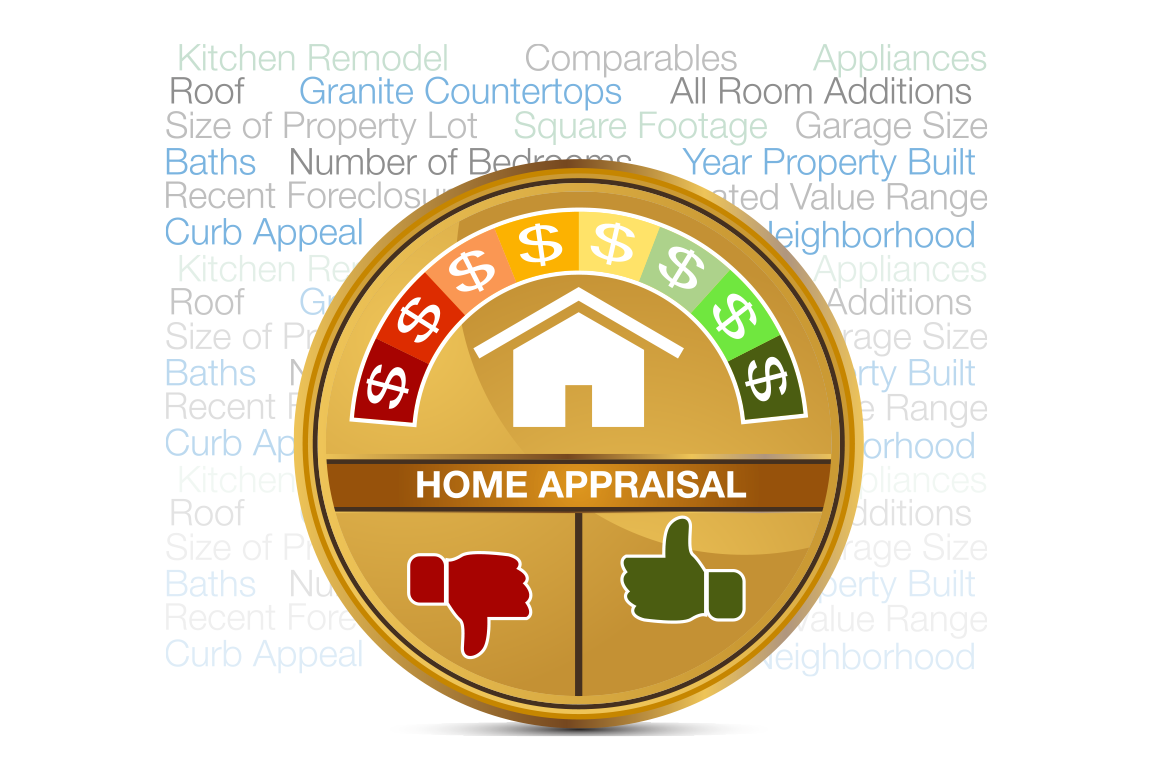 June 18, 2021 by James Goldbeck
What Do I Need to Know About a Refinancing Appraisal?
Part of refinancing your mortgage loan can be a refinance appraisal. This may seem a bit intrusive and repetitive, especially since an appraisal and home inspection were required before obtaining your…
READ MOREGet a Rate Quote in
Just 30 Seconds!
Mortgage rates change daily according to different factors.
Get your FREE customized quote here!