What You Need to Know About Credit When Buying or Refinancing
 June 18, 2021 by James Goldbeck | Homebuying, Refinancing, Credit
Credit all boils down to trust. Since credit allows you to borrow money with the understanding that you will pay it back at a later time, credit is really a determination of trustworthiness. Can you be trusted to pay what you owe in a timely manner? Lenders and others grant credit based on their confidence in your ability and willingness to pay it back, along with finance charges and interest.
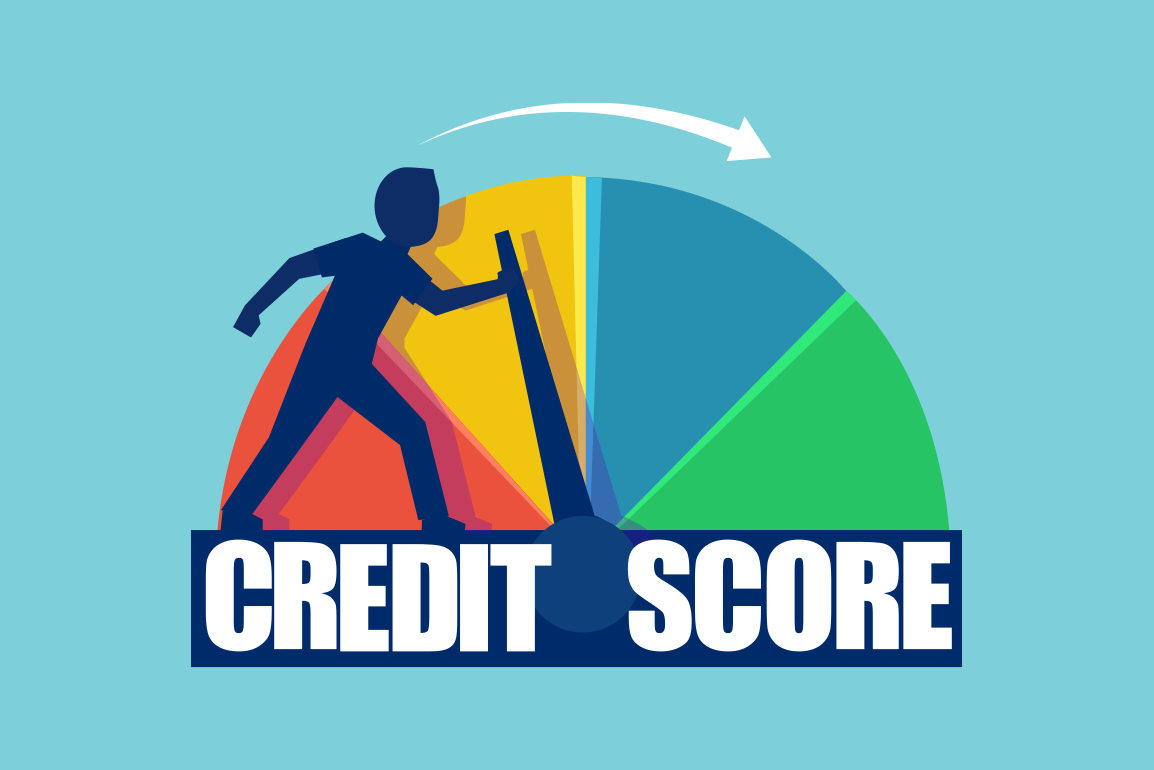
If you are determined to be worthy of a lender’s trust, you are said to have “good credit” or a “good credit rating.” This determination is generally expressed in your overall credit score. A good credit score is important for obtaining the best interest rate and loan terms when buying or refinancing a home.
Here’s what you need to know about credit when buying or refinancing a home.

Determining My Credit Score
Your current credit score can be obtained from one of the three major credit reporting agencies: Equifax®, Experian™ and TransUnion®. These bureaus gather data about your debt, credit history, and spending habits and calculate a score that expresses your creditworthiness. Many factors go into calculating your credit score, which we will examine a bit more later.
This numerical score is the primary piece of information that a lender uses to determine how trustworthy you are when you borrow money. High scores are favorable and low scores indicate that you are a high risk borrower.
The law requires these credit bureaus to provide you with a free credit report on request once each year. The law also allows you to obtain a free copy of your credit report if your identity or credit information has been stolen, or if you are unemployed and seeking a job. You may also obtain a free credit report by completing the Annual Credit Report Request Form and mailing it to Annual Credit Report Request Service.
What is a Good Credit Score?
Basically, a higher credit score is always better. You should strive to keep your credit score in the “Good” or higher level to receive the best terms for credit when buying or refinancing a home. The different score models vary somewhat, but 850 is the absolute highest score for both. The scores are divided into the following categories:
- Exceptional: 800 – 850
- Very Good: 740 – 799
- Good: 670-739
- Fair: 580 – 699
- Poor: 300 – 579
Borrowers in the “Exceptional” category can enjoy the best interest rates, beneficial offers, and other significant perks from lenders. Those in the “Very Good” and “Good” categories can also receive favorable loan terms. The bottom two categories should review their creditworthiness carefully and consider some credit repair measures.
What Determines a Good Credit Score?
A good credit score includes high scores in several important areas that reveal your earning power, saving and spending habits, and the overall manner in which you handle your finances. Each of the three credit bureaus may issue a slightly different score, but they all follow the same basic formula when calculating credit scores.
- Payment history (35%): this includes if or how often you make or miss payments, how long payments go overdue before payment, and how quickly you catch up on overdue accounts.
- Current loan and revolving account debt (30%): this includes how much you owe, how many and the types of credit cards you have, and how much credit you have available.
- Length of your credit history (15%): longer credit histories show patterns that you will likely continue to follow, good or bad. A long history of on-time payments improves your score.
- Account diversification (10%): a good mix of account types is positive, such as home loans, revolving accounts, and installment loans.
Recent credit activity (10%): many applications for credit in a short period of time can denote financial trouble, and this is bad for your credit rating.
How Can I Improve My Credit for Buying or Refinancing a Home?
Obviously, controlling your debt level and making payments in full and on time over a long period of time is the best way to improve your credit. According to the above guidelines, your payment history is the single largest factor in determining your credit score. And the only way to improve that is with time and discipline.
You should also regularly check your credit reports for errors. Obtain your free credit report from all three credit bureaus each year and review them carefully. It is not unusual for errors to be reported that affect your credit. In fact, the Federal Trade Commission (FTC) reports that about one in every five consumers has some sort of error on their credit report.
Look for the following common errors:
- Accounts that do not belong to you
- Accounts that are still open although they have been closed or paid in full
- Inaccurate payment reports, such as reporting late payments that were made on time
- Outdated information about past, closed accounts
Follow the instructions at the FTC link above for reporting errors to the credit bureaus and follow through until the errors are corrected.
You can also embark on a program of reducing debts. Reexamine your budget and pare down extras for a while. Use any additional or unexpected funds to reduce debt. Begin with high-interest debts first and work to eliminate them as quickly as possible. Then, tackle larger debts that have lower interest rates. Every single dollar you direct toward paying off debt increases your credit rating over time.
Need more advice on buying or refinancing a home? Better Rate Mortgage has loan experts who can answer your questions and provide seasoned guidance. Contact us today to speak with a team member and get on track to buying or refinancing your home!
Use our free tools
Apply Online
You’re only a few simple steps away from the home of your dreams! Apply with Better Rate Mortgage for the best rates and personalized service in the industry. Your rate quote is FREE!
APPLY ONLINERelated Resources
 January 16, 2023 by Kristin Chute
How Technology Helps the Real Estate Industry
Revolutionizing Real Estate: The Role of Technology in the Industry Tech-Powered Real Estate: How Technology is Improving Efficiency and Services It’s no surprise that technology has infiltrated almost every part…
READ MORE January 9, 2023 by Kristin Chute
10 Tips For Home Buyers in an Ever-Changing Market
The real estate market is constantly changing, and it can take time to keep up with the latest trends. Staying ahead of the curve is essential if you’re looking for…
READ MORE December 19, 2022 by Kristin Chute
Top 12 Mortgage Myths: Debunked!
Are you entering the mortgage process? Tired of hearing conflicting information and advice? We help cut through the noise right here. Cutting Through The Confusion About Mortgages When you start…
READ MORE December 13, 2022 by Kristin Chute
What Is a Mortgage Broker and Why Should I Use One?
Have you ever wondered what exactly a mortgage broker actually does? If you’re considering a mortgage, using a mortgage broker may be your wisest borrowing decision! We explain what mortgage…
READ MORE December 5, 2022 by Kristin Chute
Business Purpose Funding in Real Estate: Your Questions Answered
Have you been considering options for expanding or improving your business without tapping into your cash reserves or draining your cash flow? What is a Business Purpose Loan? Business…
READ MORELatest resources
 June 18, 2021 by James Goldbeck
Your Checklist for a New Home Purchase
Congratulations on your decision to purchase a new home! This is an exciting journey that can also be quite exhausting. Better Rate Mortgage is here to answer any questions you…
READ MORE June 18, 2021 by James Goldbeck
How to Calculate a Mortgage for Your New Home Purchase
Making a new home purchase, or refinancing the one you are in now, can be a huge undertaking. This is especially true for first-time home buyers. In the midst of…
READ MORE June 18, 2021 by James Goldbeck
New Home Buyer FAQ
Making a new home purchase is a huge step — and you want to get things right, especially if you are a new home buyer. There are lots of pieces…
READ MORE June 18, 2021 by James Goldbeck
What You Need to Know About Refinancing Your Mortgage
For most families, their home is the largest investment they will ever make. As an investment, you should use your home wisely. Sometimes, this means considering refinancing your mortgage loan….
READ MORE June 18, 2021 by James Goldbeck
Popular Types of Mortgage Refinancing Loans
Refinancing your mortgage loan offers some significant benefits. Whether you need cash for a new project, are seeking to lower your payments or get a better interest rate, or need…
READ MORE June 18, 2021 by James Goldbeck
What Do I Need to Know About a Refinancing Appraisal?
Part of refinancing your mortgage loan can be a refinance appraisal. This may seem a bit intrusive and repetitive, especially since an appraisal and home inspection were required before obtaining your…
READ MOREGet a Rate Quote in
Just 30 Seconds!
Mortgage rates change daily according to different factors.
Get your FREE customized quote here!